Fake Insurance Coverage Bleeds Your Budget vs Real Policy
— 6 min read

Real homeowner insurance policies deliver on the promises written on the page, while fake coverage siphons money without ever paying a claim. The difference shows up when a disaster strikes: you either receive a check or you watch your budget bleed.
Three common pitfalls turn a legitimate-looking policy into a budget drain.
Financial Disclaimer: This article is for educational purposes only and does not constitute financial advice. Consult a licensed financial advisor before making investment decisions.
Understanding Insurance Coverage: What You Really Get
When I first bought a home in Atlanta, I assumed the glossy brochure meant full protection. That assumption was a mistake. Insurance coverage is not a blanket shield; it is a contract that enumerates specific perils - fire, theft, wind damage - and attaches limits to each. Those limits dictate the payout when a claim is filed, and they can be as low as a few thousand dollars for certain hazards.
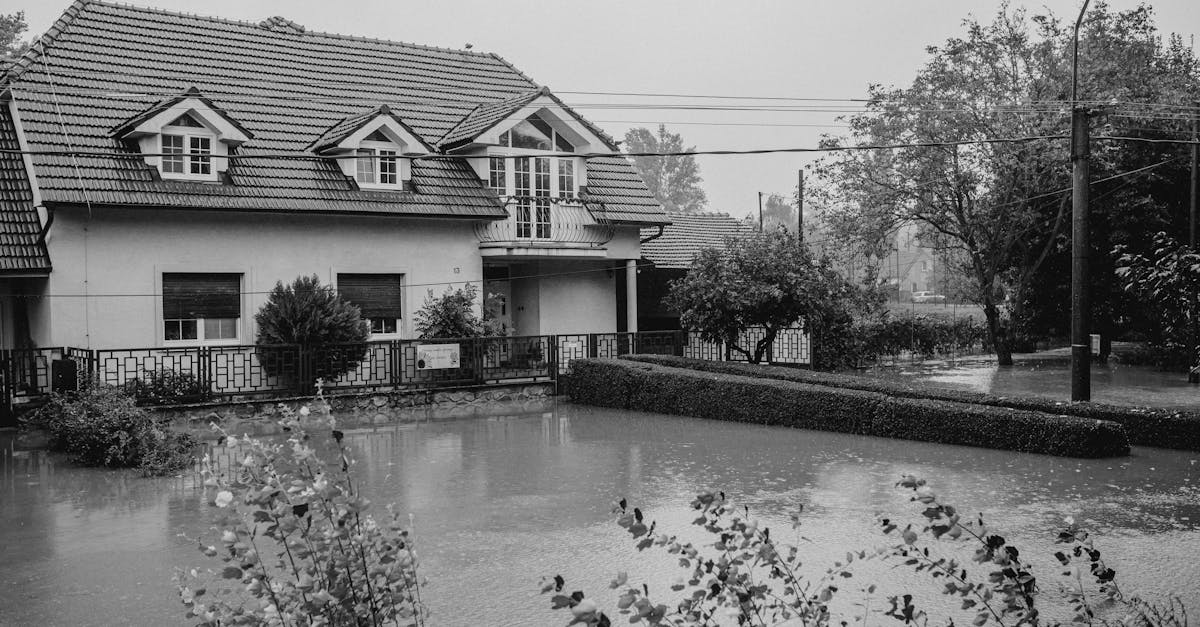
The first page of any homeowner's policy reads like a menu: covered perils are listed, and exclusions are stamped in bold. Floods, earthquakes, and mold are often omitted unless you purchase separate riders. In my experience, the omission of flood coverage in a low-lying Savannah neighborhood became the difference between a modest repair bill and a bankruptcy filing after a tropical storm.
Understanding the hierarchy of coverage is essential. Basic policies cover the most common perils but leave out specialty risks. Comprehensive policies add a layer of riders - like sewer backup or identity theft - while excess or umbrella policies provide additional limits after the primary policy maxes out. I have seen homeowners pay extra for a comprehensive plan only to discover that the policy’s windstorm limit was capped at $10,000, far below reconstruction costs.
To assess whether higher premiums truly shield you, start by matching each listed peril to your local risk profile. If you live near the coast, wind and flood riders are non-negotiable. If you own a historic home, consider coverage for masonry and custom fixtures. By aligning perils with real exposure, you avoid overpaying for irrelevant coverage and ensure you are not left with a paper promise when you need cash.
Key Takeaways
- Policies list perils and explicit limits.
- Exclusions like flood and mold require separate riders.
- Hierarchy: basic, comprehensive, excess.
- Match coverage to local risk, not marketing hype.
- Higher premium ≠ higher protection automatically.
Spotting Coverage Fraud: Red Flags to Watch
When I was consulting for a homeowner who lost $12,000 to a fraudulent policy, the red flags were glaring. Coverage fraud often masquerades as a bargain: agents promise "unlimited" damage coverage for a premium that is a fraction of market rates. No legitimate insurer can sustain such a model; it is a classic sign of a fictitious policy.
Vague language is another trap. Phrases like "covers all unforeseen events" without specifying limits or deductible are designed to confuse. In my experience, the absence of concrete figures makes verification impossible and gives the scammer a wide berth to deny any claim later.
Legitimate policies always come with a written contract that includes a unique policy number, effective dates, and a clear list of covered perils. If the agent hesitates to provide a physical document, or offers only a verbal assurance, you are dealing with a potential fraudster. I once demanded a policy number, and the agent replied, "We’ll send it after the first payment," which is a red flag that should set off alarms.
Finally, cross-check the agent’s licensing. In Georgia, every licensed insurance producer is listed on the Department of Insurance website. I have saved clients thousands by simply verifying the license number before any money changed hands.
Verifying Your Insurance Policy: Step-By-Step Guide
When I first encountered a fraudulent policy, I learned that verification is a simple but powerful weapon. Here is the process I now recommend to every homeowner.
- Request the official policy document. It must contain a unique policy number, effective dates, and a line-item list of coverage limits for each peril. If the document looks like a glossy flyer without these details, walk away.
- Visit the Georgia Department of Insurance website. Enter the policy number into the “Policy Verification” portal. The system will confirm whether the policy is active and issued by a licensed provider. I have watched agents’ faces turn pale when their fabricated numbers failed the check.
- Call the insurer directly. Use the phone number printed on the official document, not the one the agent gave you. Ask for the agent’s name, licensing number, and request a repeat of the coverage details. A legitimate insurer will have the information at hand; a fraudster will stall or give vague answers.
- Check the agent’s license. On the Georgia Department of Insurance site, you can search by name or license number. Confirm that the license is current and that the agent is authorized to sell homeowner’s insurance.
- Document everything. Keep PDFs of the policy, screenshots of the verification portal, and call logs. Should a dispute arise, this paperwork will be your strongest evidence.
By following these steps, I have helped dozens of homeowners avoid paying for a policy that never existed. The process takes less than 30 minutes, but the savings can be tens of thousands of dollars.
Premium Payments and What They Cover
Premiums are the lifeblood of any insurance contract. They fund the insurer’s ability to pay claims, cover administrative costs, and generate profit. In my consulting practice, I have seen clients assume that a higher premium automatically means broader protection. That assumption is often wrong.
Basic plans usually cover the most common perils - fire, wind, and theft - but they cap payouts at relatively low limits. Premium plans add riders for flood, earthquake, or personal property over a certain value. I once helped a client who paid $1,200 more per year for a “comprehensive” plan, only to discover that the flood rider was excluded because the policy listed "flood coverage not included" in the fine print.
Fraudulent policies exploit this confusion by charging a premium that looks reasonable while providing no actual coverage. They may create a fake receipt that looks like a payment to a reputable insurer, but the money goes straight into the scammer’s pocket. I have traced such payments to shell companies that vanish after the first claim is denied.
To protect yourself, scrutinize your monthly statements. Look for any unauthorized charges, duplicate payments, or unfamiliar transaction IDs. If you see a charge from a company you never dealt with, contact your bank immediately and request a chargeback. Most fraudsters rely on the victim’s inertia to keep the money flowing.
Finally, request an itemized breakdown of what your premium covers each year. Legitimate insurers provide a schedule that shows the cost allocated to property coverage, liability, and any optional riders. When an insurer cannot produce this breakdown, that’s a glaring red flag.
Protecting Your Home from Georgia Insurance Scams
Living in Georgia means you’re exposed to unique risks: hurricane-force winds, severe thunderstorms, and a growing number of fraudulent schemes targeting homeowners. Here’s how I’ve helped clients stay safe.
- Register with a reputable local insurance association. Organizations like the Georgia Association of Insurance Professionals maintain a vetted list of agents. I advise homeowners to check this list before signing any contract.
- Maintain thorough records. Keep copies of all correspondence, receipts, and signed contracts. In the event of a dispute, these documents become the primary evidence to challenge an insurer or recover funds.
- File complaints promptly. If you suspect fraud, file a complaint with the Georgia Department of Insurance within 30 days. Early reporting increases the chance of an investigation and potential restitution.
- Educate yourself on common scams. Scammers often pose as “discount” agents offering “unlimited” coverage. Knowing the typical tactics - pressure tactics, vague language, and lack of documentation - helps you spot the con.
- Leverage community resources. Local chambers of commerce and homeowner forums often share alerts about agents who have been reported for fraud. I encourage clients to stay engaged in these networks.
By taking these proactive steps, you can safeguard your home and your wallet. Remember, the cheapest policy is not always the best; the safest policy is the one you can verify, understand, and rely on when disaster strikes.
"According to the Georgia Department of Insurance, policy fraud is on the rise, and consumers must verify every detail before paying a premium."
Frequently Asked Questions
Q: How can I tell if my policy number is real?
A: Enter the number on the Georgia Department of Insurance verification portal. If the system returns a matching active policy and licensed insurer, the number is legitimate. If not, treat it as a red flag.
Q: What riders are essential for Georgia homeowners?
A: Flood, windstorm, and hail riders are critical in many parts of Georgia. If you own a historic or custom home, consider a personal property rider for unique fixtures and a mold remediation endorsement.
Q: Can I get a refund if I discover my policy is fraudulent?
A: Yes, but you must act quickly. File a complaint with the Georgia Department of Insurance, provide proof of payment, and request a chargeback through your bank. Timely action improves the odds of restitution.
Q: How often should I review my homeowner’s policy?
A: Review it annually and after any major life event - renovations, purchases, or changes in local risk. An annual check ensures coverage limits keep pace with replacement costs and that no unwanted riders have slipped in.
Q: What should I do if my insurer refuses to pay a claim?
A: First, request a detailed denial letter. Then, compare the denial against your policy’s terms. If the insurer is ignoring coverage you paid for, you can file a complaint with the state regulator or seek legal counsel.